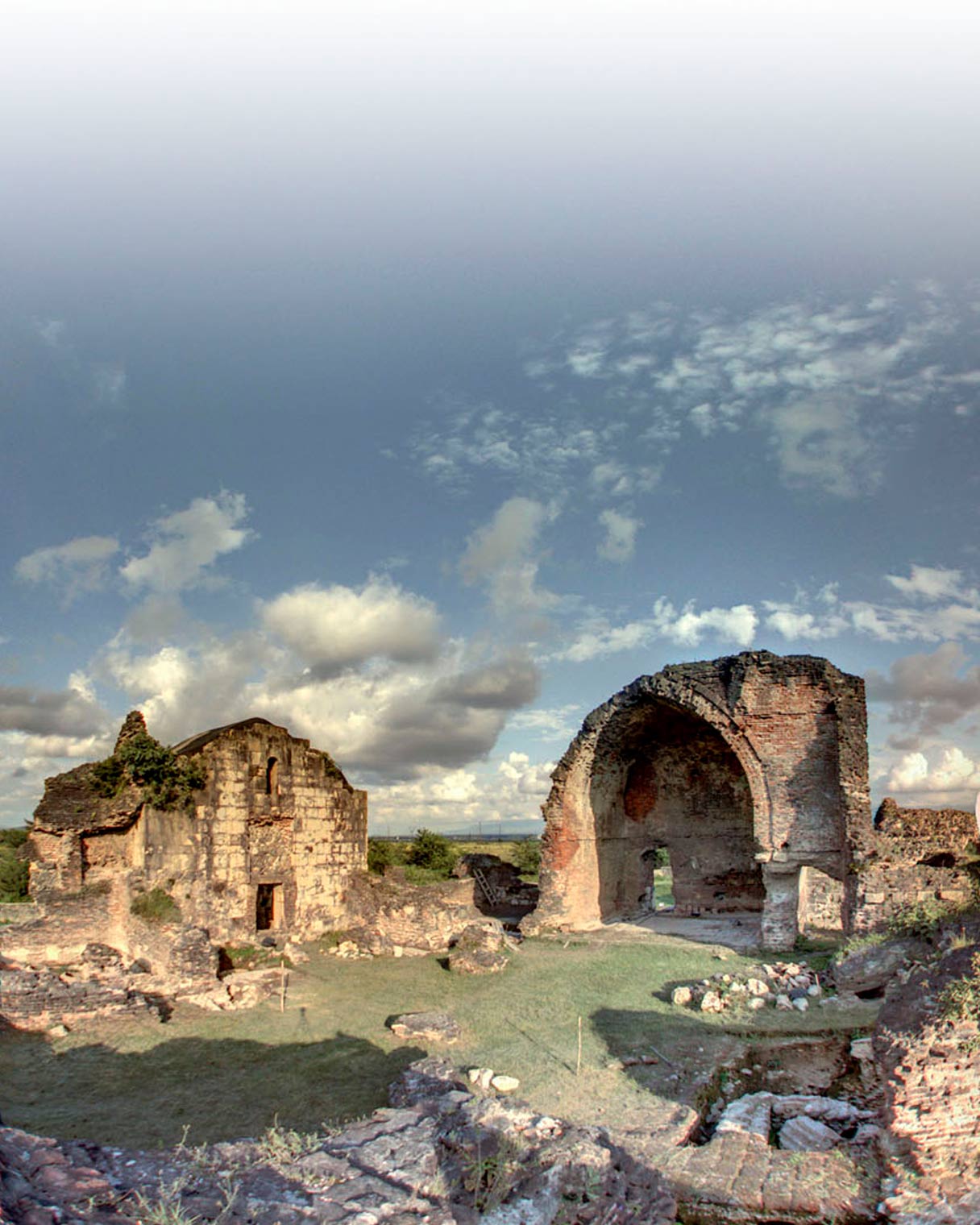
The holistic fruition based on a 3D digitization of Cultural Heritage, widespread historical architecture and built heritage provides the fundamental basis for the conservation, management, tourism enhancement as well as prevention of social, cultural and economic consequences of different types of damage, such as floods, earthquakes, fires, anthropogenic events, etc. When several forms of accessibility are changing, like during Covid-19 lockdown, digitization is an effective solution to making monuments and sites virtually accessible for citizens. The need for digital data interpretation and documentation guided the overall cross-disciplinary process of designing new methods and tools for 3D surveying and BIM/HBIM modelling.
Use of 3D models for management, conservation, design, analysis applications
Use 3D models for the development of Augmented Reality (AR) and Virtual Reality (VR) apps in situ and remotely
APIs (tailored/custom-made programming interfaces) for the development and integration of apps by third party companies.
Simple web interface for semantic enrichment.
Eased collaboration between different disciplines, technologies and research fields.
Fostering innovation in digital data management and Cultural Heritage activities, making knowledge more attractive to citizens and visitors.